
In today’s competitive landscape, efficiency has become more than a corporate buzzword—it has evolved into the very foundation of survival and long-term growth. Businesses across industries, from small startups to established enterprises, are beginning to realize that the ability to achieve greater results with fewer resources is no longer optional but essential. Rising costs, shifting markets, and an ever-demanding customer base that expects instant responses have created an environment where working harder is no longer sufficient. Simply putting in more hours or expanding teams does not guarantee success.
The real advantage lies in learning how to work smarter—finding new ways to streamline processes, optimize resources, and leverage technology so that every action contributes directly to growth and resilience.
The New Shape of Business Growth
Traditionally, growth was associated with hiring more employees, expanding physical spaces, and increasing overhead. While that model once worked, it no longer aligns with the realities of today’s fast-paced, digitally driven world. Modern businesses must move quickly and adapt without adding unnecessary weight to their operations. Instead of looking to build larger teams, forward-thinking entrepreneurs are turning to intelligent technology that allows them to scale without adding layers of complexity.
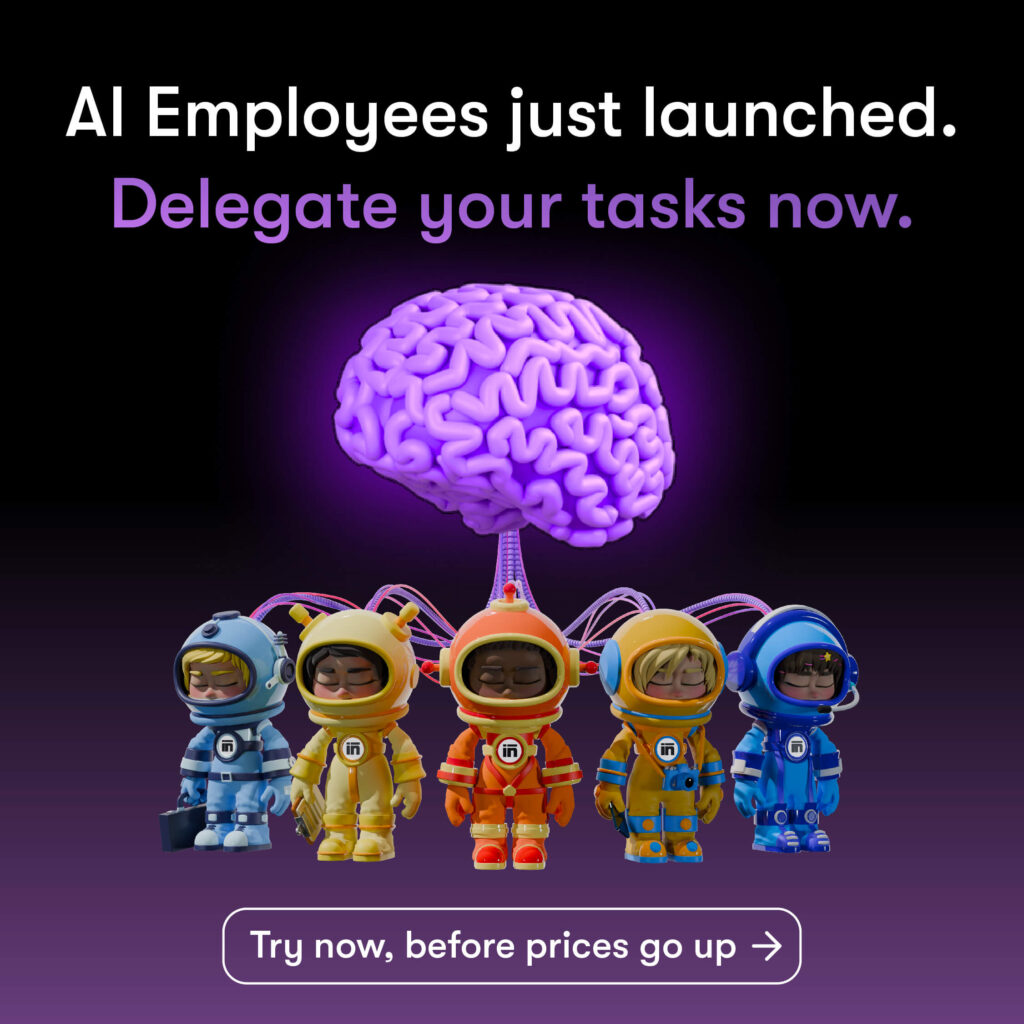
This is where platforms like Sintra provide an edge. By introducing AI-powered helpers that handle marketing, customer service, data analysis, and administrative support, businesses can expand capabilities without expanding payroll. The future of growth is lean, agile, and powered by technology that works as an extension of the team.
Efficiency as the True Advantage
Doing more with less is not about squeezing more hours out of people or demanding unsustainable levels of performance. It is about unlocking hidden efficiencies that allow businesses to maintain momentum without draining energy. Consider the hours spent replying to customer queries, scheduling social posts, reviewing analytics, or drafting copy. These are essential tasks, but they consume valuable time that could otherwise be spent on creativity, vision, or strategic planning.
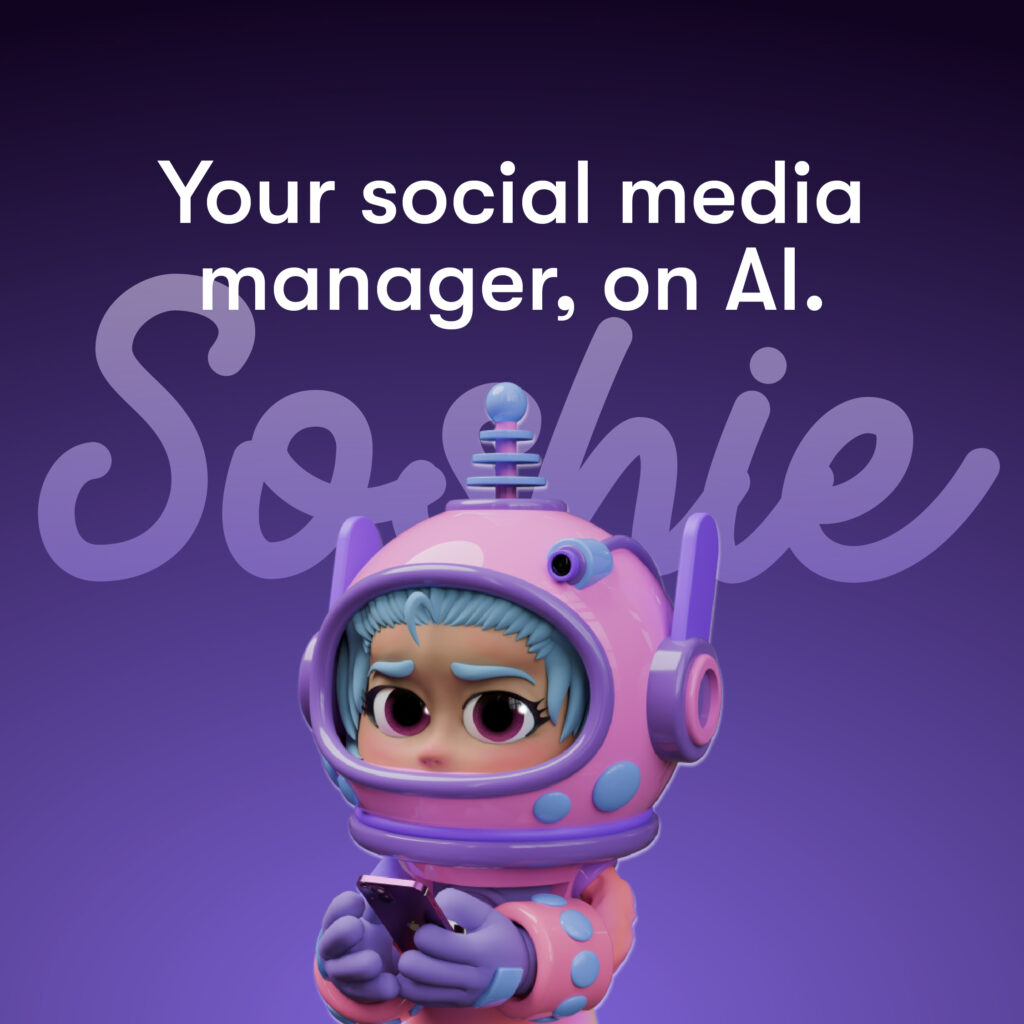
With intelligent tools like Sintra, these processes no longer need constant human supervision. Specialized AI helpers step in to take over repetitive, time-heavy responsibilities, ensuring consistency while freeing up humans to focus on areas where their skills matter most. This balance between automation and human creativity is what creates a new, sustainable form of efficiency.
Why Doing “Less” Leads to More
For many business owners, the idea of doing less initially feels counterproductive. However, it is not about neglecting responsibilities; it is about shifting focus toward the activities that generate the highest value. When repetitive tasks are automated, businesses save on operational costs, reduce stress on teams, and respond faster to opportunities. The quality of work also improves, because teams are no longer spread thin across tasks that drain their energy.
This is the paradox at the heart of modern efficiency: by letting go of certain responsibilities, businesses create the space needed to deliver more meaningful results. Smaller teams suddenly gain the ability to compete with larger organizations, not by outspending them, but by outsmarting them.

From Survival Mode to Growth Mode
When businesses unlock the ability to do more with less, they move beyond mere survival. They shift into a space where growth becomes sustainable, predictable, and repeatable. Imagine a company that can launch campaigns in days rather than weeks, answer customer questions in real time, or make data-informed decisions instantly rather than waiting for monthly reports. These advantages allow smaller businesses to punch above their weight and build stronger customer relationships.
Platforms like Sintra make this possible by equipping businesses with AI helpers that are always available, always consistent, and always adapting to the company’s unique style. They take care of the background work so leaders can spend more time on strategy, partnerships, and innovation—the areas where true growth is born.
The Road Ahead
The future of business is not defined by the size of a workforce or the scale of infrastructure. It is defined by the ability to leverage intelligent systems that maximize results without unnecessary waste. Companies that embrace this shift early are not only preparing themselves for success today but also positioning themselves to lead tomorrow.
Ultimately, doing more with less is not about scarcity—it is about power. It is about creating businesses that are lean, flexible, and future-ready. With solutions like Sintra, this advantage is no longer reserved for large corporations; it is available to every entrepreneur ready to step into the next chapter of business evolution.