

Most companies don’t realize how much manual work truly costs them. It hides beneath the surface of daily routines, disguised as harmless tasks that feel too small to matter. Copying data from one tool to another, preparing reports, cross-checking figures, updating CRM notes — these activities seem simple, even necessary. But when added together, they quietly drain hours, energy, and potential.
This is the silent tax of modern work: the time a team never gets back. And because it feels normal, businesses rarely challenge it. They simply adapt, stretch, and compensate. But nothing slows growth more consistently than the tasks people assume they “just have to do.”
Why Manual Work Pretends to Be Productivity
The deceptive thing about repetitive tasks is that they look productive. People are typing, fixing, formatting, updating. Screens look busy. Work feels active. But beneath that movement is a fragile system where everything depends on human attention, and human attention is endlessly interruptible.
A single manual step can disrupt half an hour of deep work. An unexpected update can pull someone away from strategy. A small error caught too late can unravel an entire workflow. This is the real cost — the opportunities that never materialize because a team is stuck maintaining yesterday’s tasks instead of creating tomorrow’s momentum.
Leaders rarely see this clearly because manual work doesn’t scream for help. It just quietly steals potential. And over time, it shapes a company’s culture: overwhelmed, reactive, and always “short on time.”
Where AI Turns Pressure Into Flow
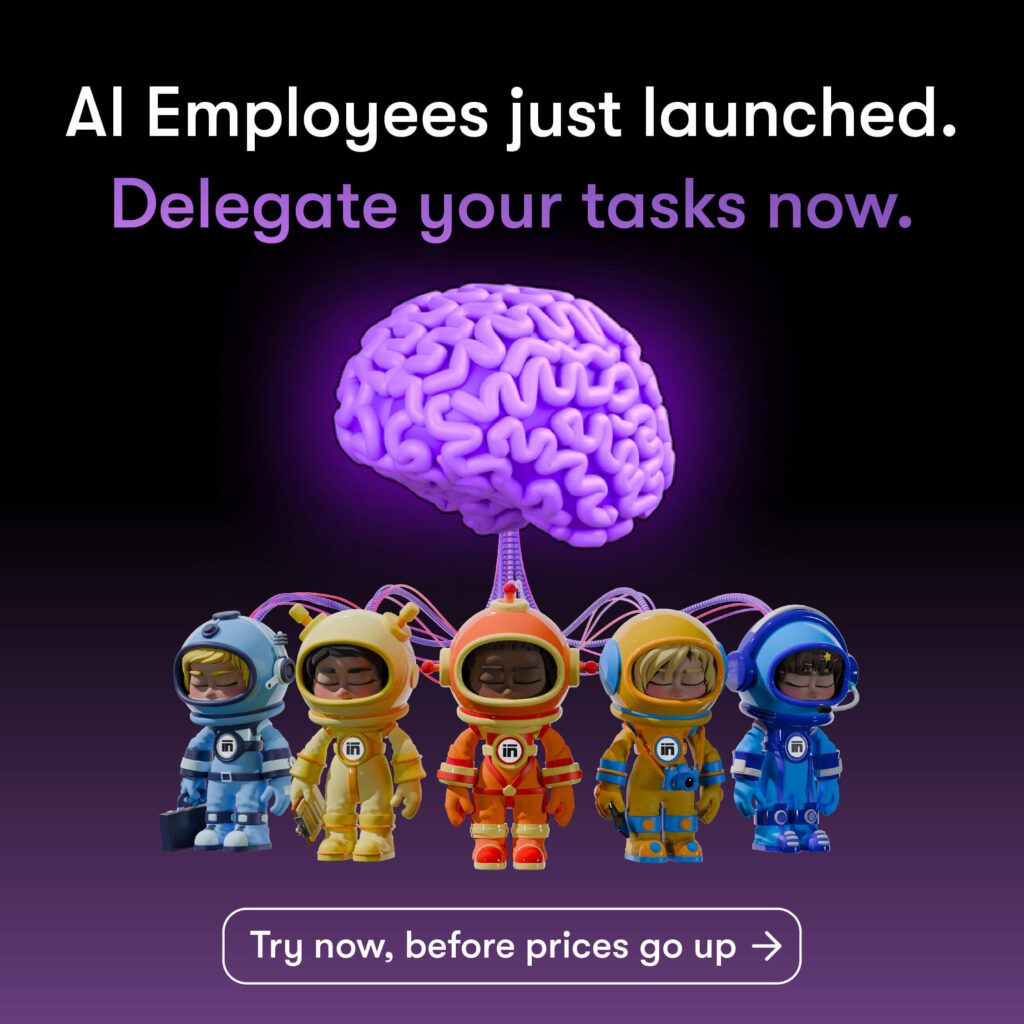
This entire dynamic shifts the moment manual work is handed to AI. When a platform like Sintra takes over repetitive tasks, the business doesn’t just move faster — it breathes easier. Processes that once demanded constant monitoring begin running on their own. Reports generate themselves. Data syncs the moment it’s updated. Accuracy becomes automatic instead of aspirational.
Sintra changes the rhythm of a workday. Instead of teams jumping between tools and tasks, they move through work with far fewer interruptions. Instead of trying to keep pace with endless micro-demands, they begin leading business results with clarity and intention.
This is what real efficiency feels like: not faster chaos, but smoother progress.
The Mental Cost That No Spreadsheet Measures
There’s a psychological toll hidden inside manual work — one that leaders often overlook. When employees spend their days buried in repetitive tasks, their minds never reach the level of clarity required for innovation, problem-solving, or long-term planning. Creativity dims. Energy fades. Focus fractures into dozens of small pieces.
AI restores this mental space. With Sintra taking over the repetitive load, teams regain the bandwidth to think deeply, collaborate meaningfully, and execute confidently. Suddenly, ideas that once felt too ambitious become reachable. Projects that repeatedly stalled begin moving forward. Meetings become shorter because everyone arrives with clean, organized, real-time information.
The transformation is not just operational. It’s emotional.
The Hidden Costs That Hurt Growth Most
Every hour spent on manual tasks is an hour not spent on strategy, customers, product improvement, or innovation. These lost hours accumulate silently, but they leave a mark — slower launches, delayed decisions, inconsistent data, patchwork systems, and teams who feel like they’re always catching up.
These are the true expenses of manual work, and they shape the future of a business far more than they appear to.
This is why companies are turning to platforms like Sintra: not to replace people, but to remove the friction that prevents people from contributing their best work. When the foundational tasks run themselves, everything else accelerates — execution, communication, growth, and the confidence to scale.
The Shift That Defines the Next Generation of Businesses
The companies that win the next decade won’t be the ones with the largest teams or the longest workdays. They’ll be the ones who recognized early that manual work is not a badge of discipline, but a barrier to progress. They will be the businesses that adopted AI not out of panic, but out of clarity — the clarity that human intelligence should not be wasted on repetitive maintenance.
Sintra gives modern teams the freedom to operate at their true potential. It turns workflows into smooth systems, transforms scattered tasks into unified processes, and ensures that no one spends their day updating, copying, or chasing information ever again.
When AI removes the burden, businesses don’t just move faster. They finally move the way they’re meant to.