
Size is the first thing to sort out when buying a 3D printer. Do you want a small one for your desk? Or a big one that can print a full helmet in one go? It depends on what you want to make and how much space you have. Flashforge sells both small and big machines, so it’s an easy brand to look at while you compare. This guide keeps it simple.
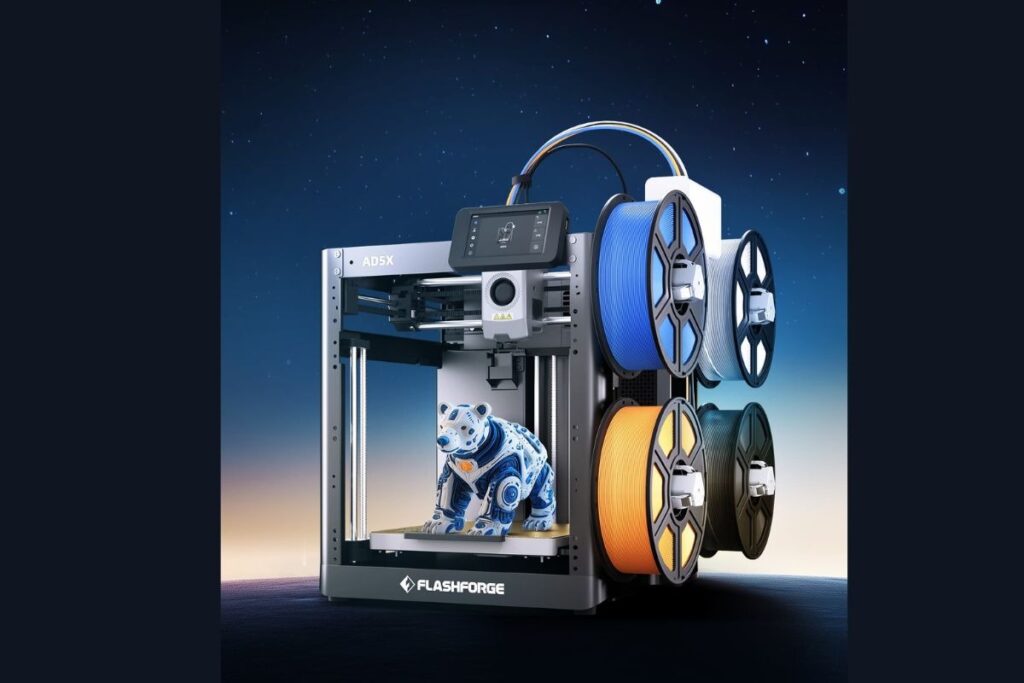
What a Standard Printer Can Do
A standard printer is the one most people have in mind. It sits on a desk or shelf. It makes things about the size of a mug. Phone stands, spare parts, game pieces, small gifts.
They’re easy to live with. They don’t take much room. They heat up fast and cost less. Setup is quick too. Lots of people use the popular models, so you can always find help online.
For most hobby users, that’s enough. If the biggest thing you’ll ever print fits in your hands, there’s no need to go bigger.
When a Bigger Bed Helps
Some jobs just won’t fit. Cosplay armour, props, signs, furniture parts, building models. These need more room. That’s what a large format 3D printer is for.
You can print big things on a small printer. You cut the model into pieces and glue them together. It works, but it takes time and the joins usually show. A large build volume 3D printer prints the whole thing at once. It looks cleaner and it’s stronger.
A big bed is good for batches too. You can fit lots of small parts on it at the same time. Small shops use this to finish orders faster. One long run, and the whole batch is done.
Cost, Space and Upkeep
Bigger printers cost more. But the price isn’t the only thing. A large 3D printer needs a proper spot. Put it on a strong table. Keep it away from drafts. Leave room around it so you can reach the bed and the spools.
Big prints also use a lot of plastic and take a long time. One model can run for a whole day. That means more power and more filament. It also means more chances for something to go wrong. If a big print fails halfway, you lose a lot of plastic.
They can be loud too. A large format 3D printer often works better in a garage or workshop than in a bedroom. Before you buy, check your power supply and your floor.
The Industrial Option
Some printers are made for work. An industrial FDM 3D printer can run for long hours. It handles tough plastics and gives the same result every time. Many have closed chambers, strong frames and better heat control.
Flashforge makes printers like this, such as the Guider series. They suit workshops, factories and teams that print every day. People use them for tools, fixtures and parts that need to last.
An industrial FDM 3D printer costs more than a desktop one. For a business, it can pay for itself. You get fewer failed prints and steady quality. You can also use stronger materials. If you’re a hobbyist, though, it may be more than you need.
How to Choose
Start with the biggest thing you want to print. Measure it. If it fits on a standard bed with a little room left over, a standard printer will do. If not, look at a large 3D printer.
Then think about how often you’ll print. A weekend hobbyist and a small business need different things. Check your space and your budget too. If you plan to grow, a bigger bed now might save you from buying twice.
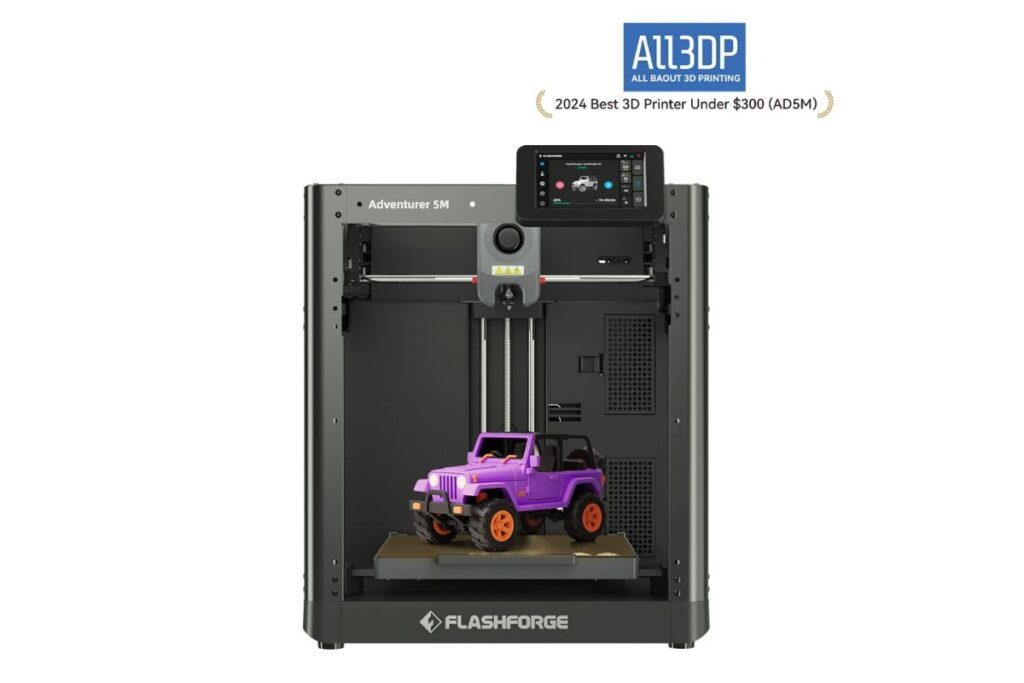
Look at what each brand offers across its range as well. Flashforge has small desktop printers, colour printers and bigger workshop machines. That means you can move up in size without learning something new. When you compare, check the build size, the materials it can use and how easy the software is.
Final Thoughts
There’s no single right answer. A standard printer is cheaper, fits anywhere and works well for everyday projects. A large build volume 3D printer costs more, but you can print bigger and cleaner pieces. An industrial FDM 3D printer makes sense when printing is part of a real business.
Buy for your real plans, not for what sounds impressive. Think about what you’ll print this year, not one dream project. Flashforge has a wide range, so it’s a good brand to look into whether you start small or want to print big.