
Photo by Caio: https://www.pexels.com/photo/macbook-air-on-grey-wooden-table-67112/
In today’s interconnected world, our lives are increasingly entwined with the digital realm. From social media to online shopping and information gathering, we’ve embraced the convenience and accessibility of the internet. However, this digital landscape also raises pressing questions about privacy. How do we protect our personal information while surfing the web? What are the risks, and how can we mitigate them? In this blog, we’ll delve into the complex world of digital privacy in web browsing, demystifying the concepts, highlighting the risks, and providing practical tips to safeguard your online presence.
Understanding Digital Privacy:

Cookies and Tracking- With the advent of cookies and tracking technologies, it has become easier for companies to collect information about our online activities. Cookies are small text files that are placed on our computers when we visit websites. They store information such as our preferences and browsing history.
These cookies can be used to track our online behaviour, enabling companies to target us with personalized advertisements.
Data Collection- From the moment we wake up and check our smartphones to the time we go to bed and browse social media, our every move is being tracked and recorded. While this may seem intrusive, it is crucial to understand the importance of data collection in the context of digital privacy.
With the vast amount of information being generated every second, companies and organizations can gain valuable insights into consumer behaviour and preferences. This data is valuable for businesses but can be exploited if not properly protected.
Risks of Inadequate Privacy:
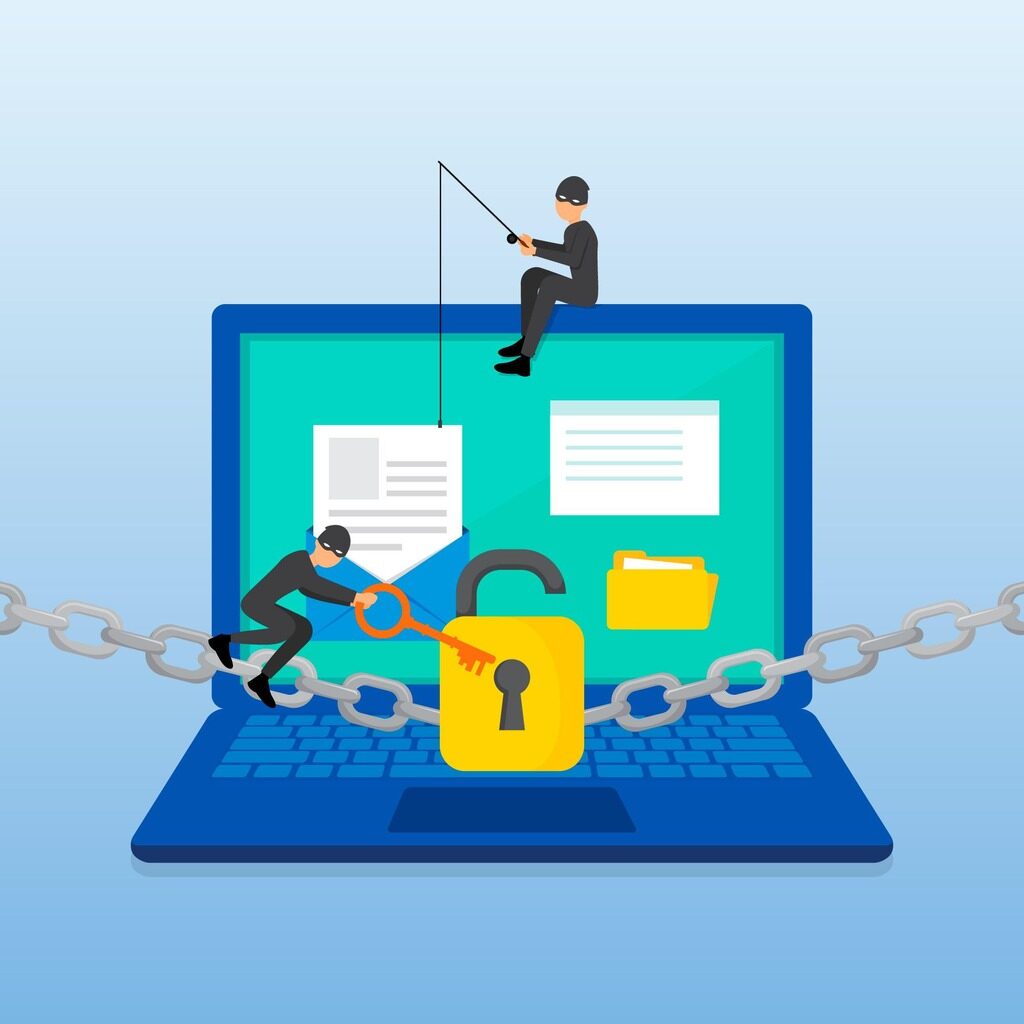
Identity Theft- Inadequate privacy measures can lead to identity theft, where malicious actors use your personal information for fraudulent activities.
Data Breaches- Data breaches occur when unauthorized individuals gain access to sensitive information, such as personal and financial details, stored by organizations or individuals. These breaches can potentially expose us to identity theft, financial fraud, and other forms of cybercrime. With the ever-increasing amount of personal data being stored online, it is crucial for individuals and organizations to prioritize cybersecurity measures and take proactive steps to protect their digital privacy.
Online Tracking- In this digital age, where everything is just a click away, online tracking has become a major concern for individuals when it comes to their digital privacy. With every website we visit and every app we use, our information is being tracked and collected without our knowledge or consent. This invasion of privacy poses a significant risk to our personal data and online security.
Protecting Your Digital Privacy:
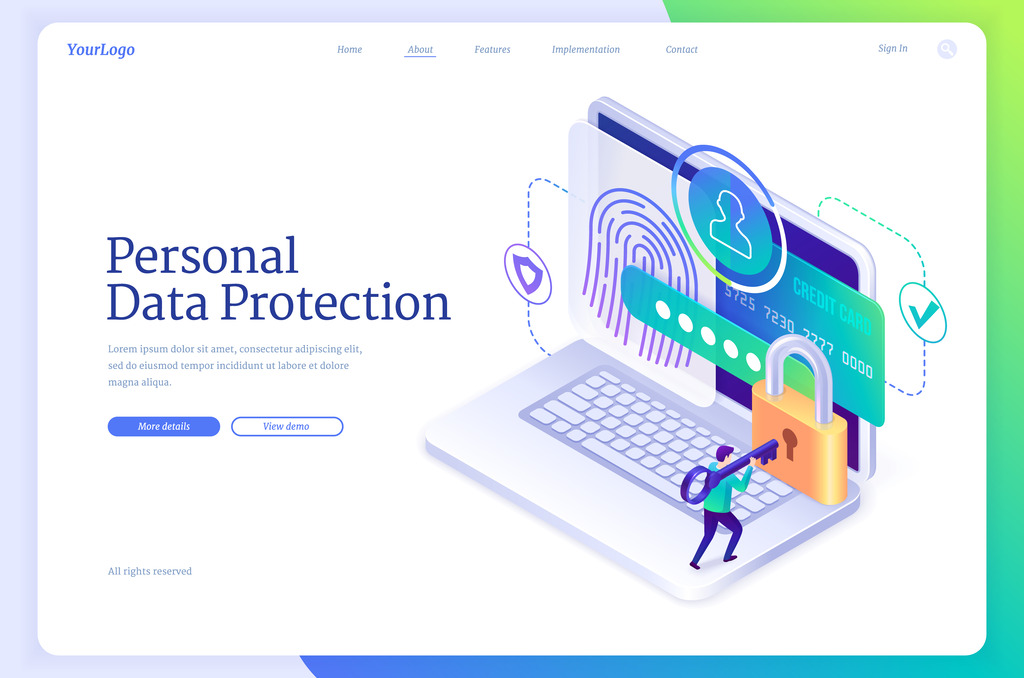
Using a VPN– A VPN works by creating a secure connection between our device and the internet, encrypting our data and hiding our IP address. This not only prevents hackers from intercepting our sensitive information but also keeps our online activities anonymous.
Browser Extensions- With the rise of online tracking and data collection, it’s crucial to take steps to protect our personal information. One effective way to do this is by using browser extensions designed to safeguard our digital privacy. These handy tools provide an extra layer of protection when we browse the internet, ensuring that our sensitive data remains secure and out of the hands of prying eyes.
Review Privacy Settings- With the rise of social media and the constant sharing of personal information, it is crucial to review and adjust our privacy settings regularly. By doing so, we can ensure that our personal information remains secure and only accessible to those we trust. It’s like putting a lock on our digital lives, allowing us to control who has access to our data.
Password Management- One of the first lines of defense in safeguarding our personal information is through effective password management. With the increasing number of online accounts we have, it can be tempting to use simple and easily guessable passwords. However, this puts our digital privacy at risk. It is crucial to create strong and unique passwords for each of our accounts.
Stay Informed- With the constant advancements in technology and the widespread use of the internet, our personal information is at risk of being exposed to hackers and data breaches. That’s why it’s crucial to stay informed about the latest privacy threats and how to protect ourselves. By staying up to date with the latest news and developments in digital privacy, we can arm ourselves with the knowledge and tools necessary to safeguard our personal information.
Demystifying digital privacy in web browsing is essential in our data-driven age. While the internet offers unparalleled convenience, it also poses risks to our personal information. By understanding these risks and implementing proactive measures, you can navigate the web with confidence, knowing that your digital privacy is safeguarded.
Using privacy services like Incogni can help you stay vigilant, stay informed, and make privacy a priority in your online journey.