

For years, chatbots have been the face of artificial intelligence in business. They greeted visitors on websites, answered a handful of basic questions, and gave the appearance of a round-the-clock customer support system. But while they served a purpose, most people quickly discovered their limitations. A chatbot could respond with a pre-written script, but it often failed when the question became complex or required understanding of context. Today, businesses are moving past these limitations and embracing a new wave of intelligent assistance that feels less like a robot and more like a real teammate.
The Limitations of Yesterday’s Chatbots
Early chatbots were designed with narrow functionality. They could answer simple FAQs, guide users through a fixed decision tree, or pass the conversation to a human when things became too complicated. While this offered some relief to overworked support teams, it also frustrated customers who expected more. The rigid responses, lack of personalization, and inability to handle nuanced tasks made traditional chatbots little more than digital receptionists.
As customer expectations grew, it became clear that businesses needed more than a script-driven tool. They needed AI that could understand intent, learn from interactions, and deliver value across multiple areas of a company, not just in customer service. This shift paved the way for a new generation of AI assistants.
From Conversations to Collaboration
The next generation of AI is not limited to handling conversations—it collaborates, learns, and adapts. Instead of providing generic answers, these systems are capable of understanding context, analyzing data, and executing tasks with a level of intelligence that feels human. A business can now rely on AI not only to interact with customers but also to help design marketing campaigns, draft emails, generate reports, or even manage social media schedules.
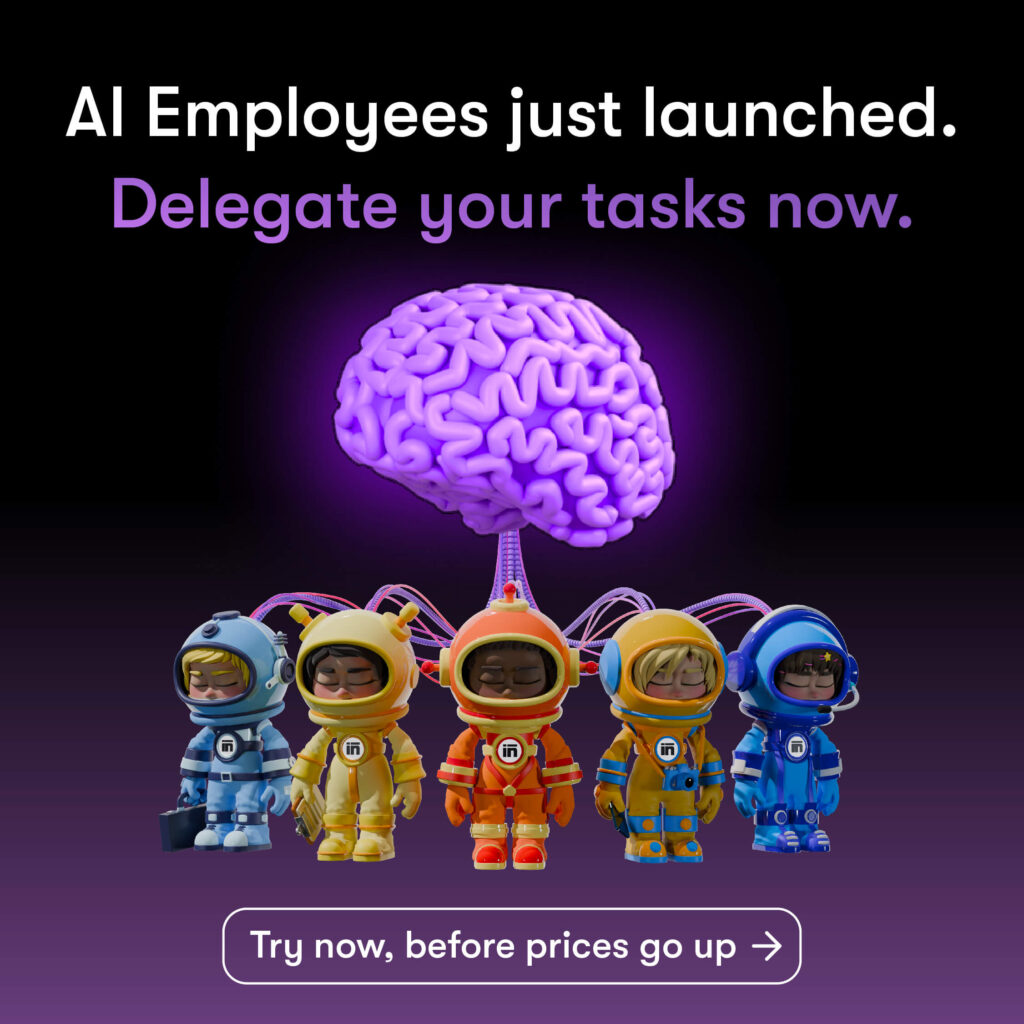
Platforms like Sintra are at the forefront of this evolution. By creating specialized AI helpers that focus on different business functions—whether it’s marketing, customer support, sales, or data analysis—they go far beyond the boundaries of a chatbot. These assistants integrate into daily workflows and act as proactive partners, not passive responders.
The Rise of Specialized AI Helpers
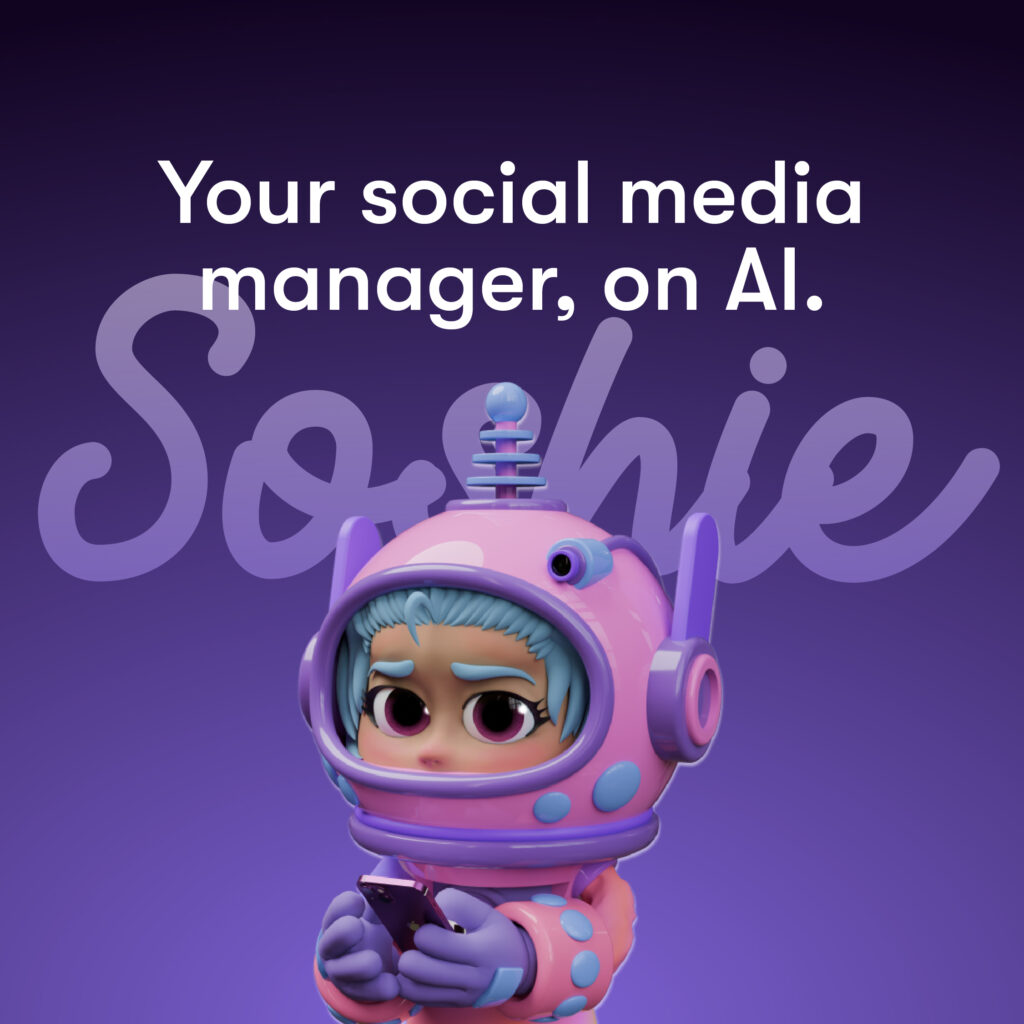
One of the key differences between a traditional chatbot and a modern AI assistant is specialization. Instead of trying to be a jack-of-all-trades, new AI solutions are designed with specific roles in mind. A social media manager AI, for example, understands branding and engagement, while a customer support assistant can adapt its tone to reflect a company’s personality.
This tailored approach ensures that each task is performed with depth and accuracy. It also means businesses no longer need to juggle multiple disconnected tools for every small process. With solutions like Sintra, business owners can access a suite of specialized AI helpers, each designed to handle a particular responsibility while still working together under a single system of intelligence.
A More Human-Like Experience
Another major advancement is how these new AI assistants communicate. They no longer sound robotic or scripted; they use natural, adaptive language that reflects the tone and values of the business. This creates interactions that feel authentic, whether with customers, partners, or internal teams.

Moreover, these assistants are proactive rather than reactive. Instead of waiting for input, they can suggest improvements, highlight opportunities, and surface insights that a business owner might not have considered. With platforms like Sintra, the AI is not simply answering questions—it is contributing to decisions, offering recommendations, and supporting growth in ways that a chatbot never could.
Transforming the Way Businesses Operate
The shift from chatbots to intelligent assistants represents more than just a technological upgrade. It reflects a change in how businesses operate and compete. Where chatbots were once seen as a cost-saving measure, next-generation AI assistants are becoming growth enablers. They help businesses respond faster, deliver more personalized customer experiences, and streamline operations without the need for constant human oversight.
For small businesses in particular, this is a game-changer. They now have access to tools that allow them to compete with larger organizations, offering professional-level support and marketing without massive budgets or teams. By integrating specialized AI helpers like those offered by Sintra, smaller players can level the playing field and focus on what matters most—innovation, creativity, and customer relationships.
Looking Beyond the Horizon
The evolution from chatbots to AI assistants is only the beginning. As these systems continue to develop, they will become even more integrated into the fabric of business operations, helping leaders make smarter decisions, anticipate customer needs, and unlock new opportunities for growth.
What once felt futuristic is now a reality. Businesses that continue to rely solely on outdated chatbot technology risk falling behind, while those embracing the new wave of intelligent AI assistants are positioning themselves for long-term success. With platforms like Sintra, the future of work is no longer about replacing humans with machines—it is about building partnerships between people and AI that create stronger, smarter businesses.