

In today’s world, speed is no longer a competitive advantage—it’s the baseline. Customers expect instant replies. Teams expect seamless coordination. Workflows are expected to run without friction, delays, or repeated explanation. Yet behind every business that seems to operate effortlessly lies one truth: speed doesn’t happen by accident. It happens because the systems beneath the surface are designed to think ahead, anticipate needs, and clear obstacles before they slow anyone down.
That is where modern automation platforms like Sintra quietly reshape the entire rhythm of work. They allow businesses to move not just faster, but smarter. The shift is subtle at first, but once teams experience it, they wonder how they ever managed without it.
The Hidden Architecture Behind Seamless Work
When work runs smoothly, it often feels natural—almost invisible. But that invisibility is the greatest sign of a strong operational structure. Behind every fast-moving team is a set of workflows that are handling details before anyone even has to ask: assigning tasks, triggering follow-ups, sorting information, syncing updates across teams, and preventing bottlenecks before they appear.
With systems like Sintra, this architecture becomes even more intuitive. Instead of waiting for someone to oversee each step, processes begin running on their own. A completed task automatically triggers the next action. A new lead enters the system and instantly reaches the right person. A project update quietly flows to everyone who needs to see it.
Teams stop chasing information, and information starts reaching them exactly when it matters.
What looks like “speed” from the outside is simply clarity operating quietly in the background.

When Technology Starts Anticipating Needs
The most powerful shift happens when technology stops reacting and starts anticipating. Modern automation allows businesses to identify patterns and adapt to them without manual oversight. If a task is always delayed, the system adjusts. If certain steps are often forgotten, they’re added automatically. If information needs to be shared at specific times, it’s scheduled intelligently.
Tools like Sintra aren’t just copying existing workflows—they’re strengthening them. They catch the gaps humans overlook, surface insights that improve decisions, and create a flow of work that feels almost intuitive.
This anticipatory design means that teams feel supported instead of overwhelmed. Work begins to feel like something that moves with them, not something they constantly have to manage.
Why Smooth Work Feels Like Magic to the Outside World
To customers, a fast and responsive business feels magical. They receive answers quickly, updates arrive on time, and nothing feels delayed or uncertain. But what they’re experiencing isn’t magic—it’s foresight.
Automation removes the waiting. It clears the noise. It ensures the right people know the right things at the right time. What customers perceive as exceptional service is, in reality, a well-designed internal system doing the heavy lifting.

This is where platforms like Sintra stand out. They give companies the ability to deliver polished, dependable experiences without requiring teams to work faster or harder. They simply allow the system to hold the structure so that people can focus fully on the interaction.
The result is service that feels human but operates with the precision of technology.
The Shift from Reactive to Proactive Work
Most traditional teams operate reactively—responding to issues, adjusting to delays, reshuffling tasks when something slips. It’s a cycle that feels normal because it’s familiar, but it quietly drains time and energy.
With modern automation, teams begin working in a completely different rhythm. Instead of fixing problems, they prevent them. Instead of rushing to meet deadlines, they glide toward them. Instead of juggling tasks, they move through a day where everything is already aligned.
Platforms like Sintra make proactive work the default state. They eliminate the lag between intention and execution by turning workflows into living systems—smart, stable, and constantly adjusting behind the scenes.
This shift doesn’t just improve productivity; it changes the emotional tone of the workday. Teams feel less scattered, less stressed, and more in control.
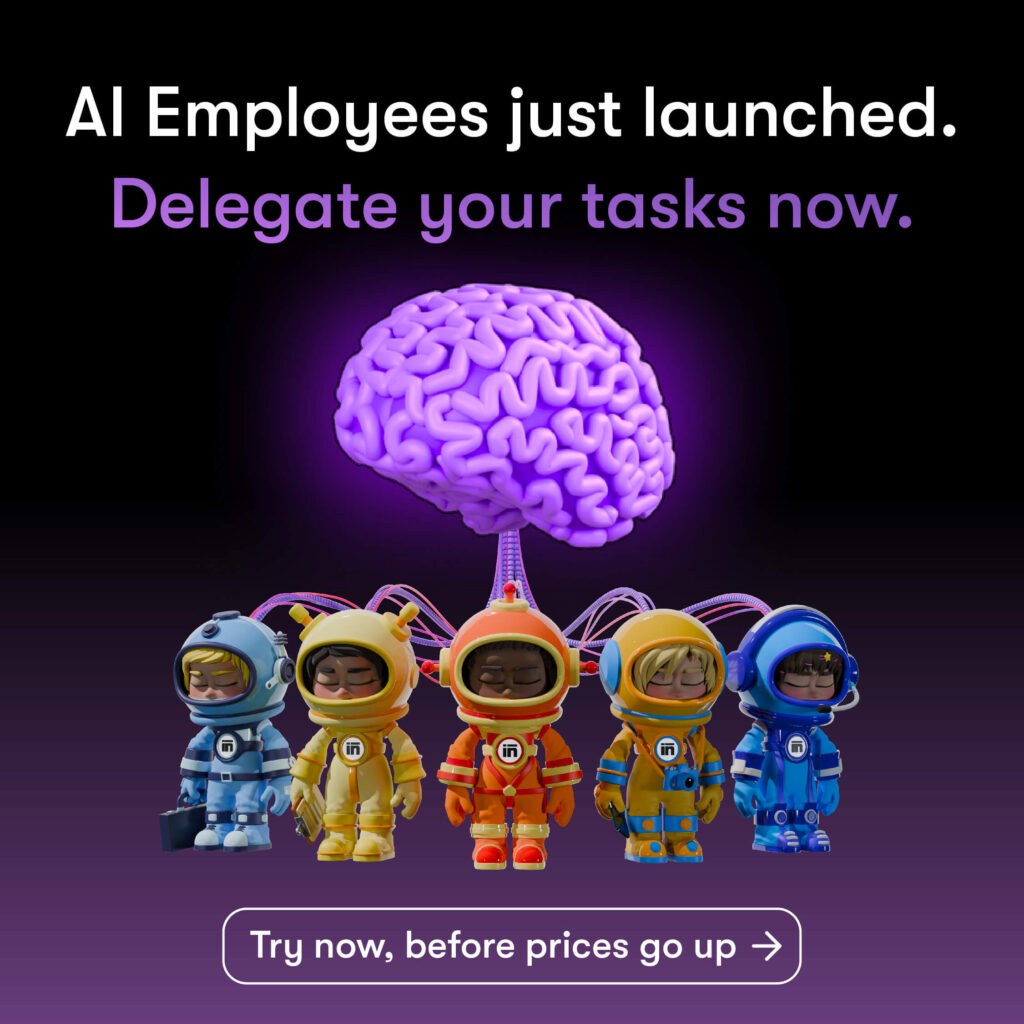
The Future Belongs to Businesses That Don’t Slow Themselves Down
Work will only grow more complex. Demands will increase. Expectations will rise. But the businesses that thrive will be the ones that build systems strong enough to carry the weight.
Automation is not about speed alone—it is about flow. It creates an environment where people can finally spend their time thinking instead of chasing. Where decisions move quickly because information is always up to date. Where operations feel smooth because the underlying structure is perfectly aligned.
With platforms like Sintra, businesses step into a future where they aren’t trying to act faster—they simply do. Their systems think ahead. Their workflows adjust themselves. Their teams stay engaged and unstressed, able to focus on the work that requires human judgment.
The companies that master this blend of clarity and technology won’t just work efficiently—they will work effortlessly.