
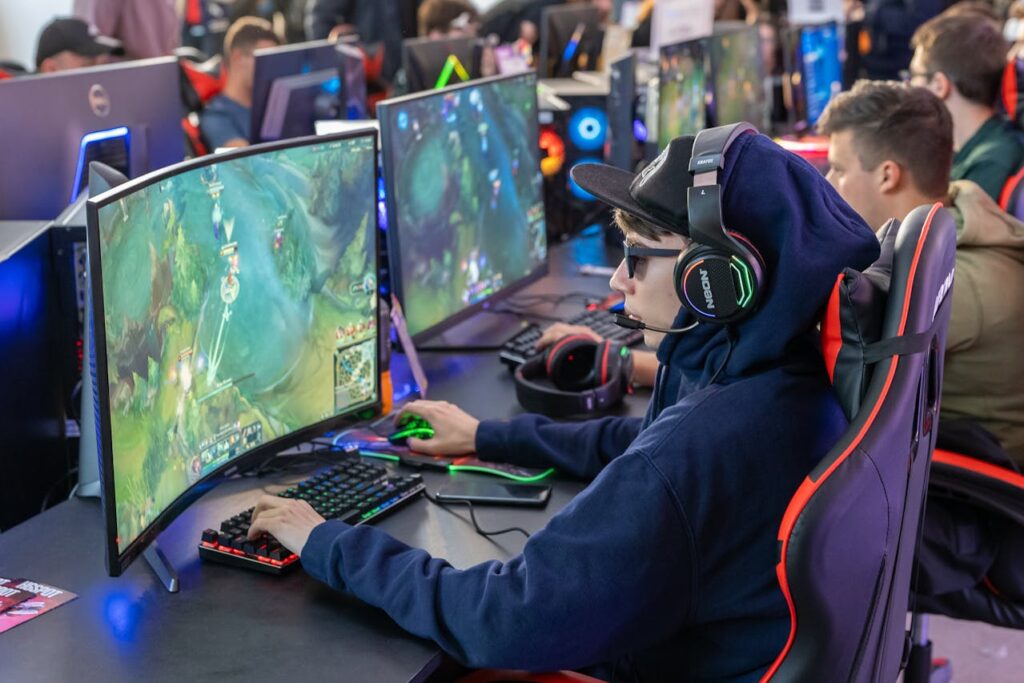
Over the past decade, gaming has evolved from a niche hobby into one of the most influential digital ecosystems in the world. Today, it is not just about playing games—it is about social interaction, entertainment, identity building, and community engagement. For brands trying to connect with younger audiences, especially Gen Z, gaming has become one of the most powerful marketing channels available.
This shift is driven by genz gaming marketing, where brands no longer rely on traditional ads but instead integrate themselves into gaming environments, communities, and creator-driven ecosystems. Platforms like Loaded help bridge the gap between brands and gaming audiences by working with creators and communities that already hold trust and attention.
Why Gen Z Is at the Center of Gaming Culture
Gen Z is the first generation to grow up fully digital. For them, gaming is not just entertainment—it is a social space. They spend time in multiplayer worlds, live streams, Discord servers, and esports events, often interacting more in these environments than on traditional social media platforms.
Unlike older audiences, Gen Z does not respond well to interruptive advertising. They prefer experiences that feel natural, interactive, and community-driven. This is why gaming has become such a strong marketing channel—it is already where their attention lives.
Research shows that gaming communities are not just passive audiences; they are active participants who create content, share opinions, and influence trends. This makes them highly valuable for brands looking to build long-term engagement instead of short-term impressions.

The Shift from Ads to Community Integration
Traditional advertising methods such as banners and pre-roll ads are becoming less effective with Gen Z. Many gamers actively ignore or block ads, preferring content that blends into their experience rather than interrupting it. This has pushed brands toward genz gaming marketing strategies that focus on integration rather than interruption. Instead of forcing visibility, brands now aim to become part of the gaming ecosystem itself.
This can include collaborations with streamers, branded in-game experiences, esports sponsorships, or even interactive challenges that allow users to engage directly with a brand. The goal is not just visibility—it is participation.
Gaming Communities: The New Influence Networks
Gaming communities are built on trust, shared experiences, and cultural relevance. Whether it is a Twitch streamer, a YouTube gaming creator, or a Discord group, these spaces act as influence networks where opinions spread quickly.
Brands that understand these dynamics are shifting their focus toward community-first marketing. Instead of targeting broad demographics, they are engaging specific gaming subcultures where loyalty is already strong. This is where platforms like Loaded play an important role. By working with gaming talent and creators, they help brands enter communities in a way that feels authentic rather than forced.
Gaming Audience Trends Shaping Marketing Strategies
Recent gaming audience trends show that Gen Z is spending more time in interactive digital spaces than ever before. Games are no longer just entertainment—they are social hubs where friendships are formed, content is created, and trends begin.
Live streaming, esports, and multiplayer gaming environments have turned gaming into a hybrid of entertainment and social media. This creates new opportunities for brands to engage audiences in real time through events, collaborations, and interactive campaigns. Another major trend is the rise of creator-led ecosystems. Gaming influencers now hold more trust than traditional advertisements, making them key partners in modern marketing strategies.

Authenticity Over Promotion
One of the most important rules in gaming marketing is authenticity. Gen Z can quickly detect when a brand does not understand gaming culture. Forced or irrelevant advertising often leads to rejection rather than engagement.
Successful campaigns focus on adding value to the gaming experience rather than disrupting it. This could be through entertaining content, useful tools, or meaningful collaborations with trusted creators. Loaded helps brands maintain this authenticity by connecting them with gaming talent who already understand the culture and audience behavior.
The Power of Interactive Brand Experiences
Gaming allows brands to move beyond passive advertising into interactive experiences. Instead of simply showing an ad, brands can create challenges, sponsor tournaments, or integrate themselves into game environments.
This level of engagement creates stronger emotional connections because users are actively participating rather than passively viewing content. It also increases brand recall, as experiences are more memorable than traditional ads.
Why Gaming Is the Future of Gen Z Marketing
The combination of entertainment, social interaction, and digital identity makes gaming one of the most powerful marketing ecosystems today. Gen Z does not separate gaming from social life—it is part of their daily communication and culture.
As a result, genz gaming marketing will continue to grow as brands shift away from traditional media and toward immersive digital environments. Gaming is no longer a secondary channel; it is becoming a primary space for brand engagement.

Conclusion
Gaming communities have transformed how brands connect with younger audiences. Instead of broadcasting messages, successful brands now participate in experiences, communities, and conversations.
With evolving gaming audience trends, brands must focus on authenticity, interactivity, and cultural relevance to succeed. Platforms like Loaded make this transition easier by helping brands engage directly with creators and communities that shape Gen Z culture. In the future, the most successful marketing strategies will not just target gamers—they will live inside gaming worlds.