

Running a business today often feels like juggling ten different roles at once. You’re answering emails, planning marketing campaigns, organizing files, responding to customers, tracking performance, and somehow still trying to grow. The problem isn’t a lack of effort. Most founders and teams are already working hard. The real challenge is that too much time is spent on repetitive, manual tasks that drain energy without driving real growth.
If you’ve ever ended a long day feeling busy but not truly productive, you’re not alone. Reducing manual work isn’t about doing less. It’s about doing the right things and letting smarter systems handle the rest.
The Hidden Cost of Doing Everything Yourself
Manual work feels safe because it gives you control. You reply to every message personally. You build every document from scratch. You check every small detail. While that level of involvement can feel responsible, it quietly slows you down.
Repetitive tasks eat up hours that could be spent on strategy, creativity, or building stronger client relationships. Over time, this pattern creates bottlenecks. Growth becomes limited not by demand, but by your available time.
The most productive businesses aren’t the ones that work nonstop. They’re the ones that design systems that work for them.
Why Smart Automation Doesn’t Mean Losing the Human Touch
There’s a common fear that automation makes a business feel robotic. But in reality, thoughtful automation creates more space for genuine connection. When routine tasks are handled efficiently, you can focus on meaningful conversations, personalized service, and creative thinking.
For example, instead of manually drafting similar emails every week, you can create intelligent systems that prepare structured responses while you simply refine and personalize them. Instead of tracking every small operational detail in scattered documents, you can rely on tools that organize and analyze information for you.
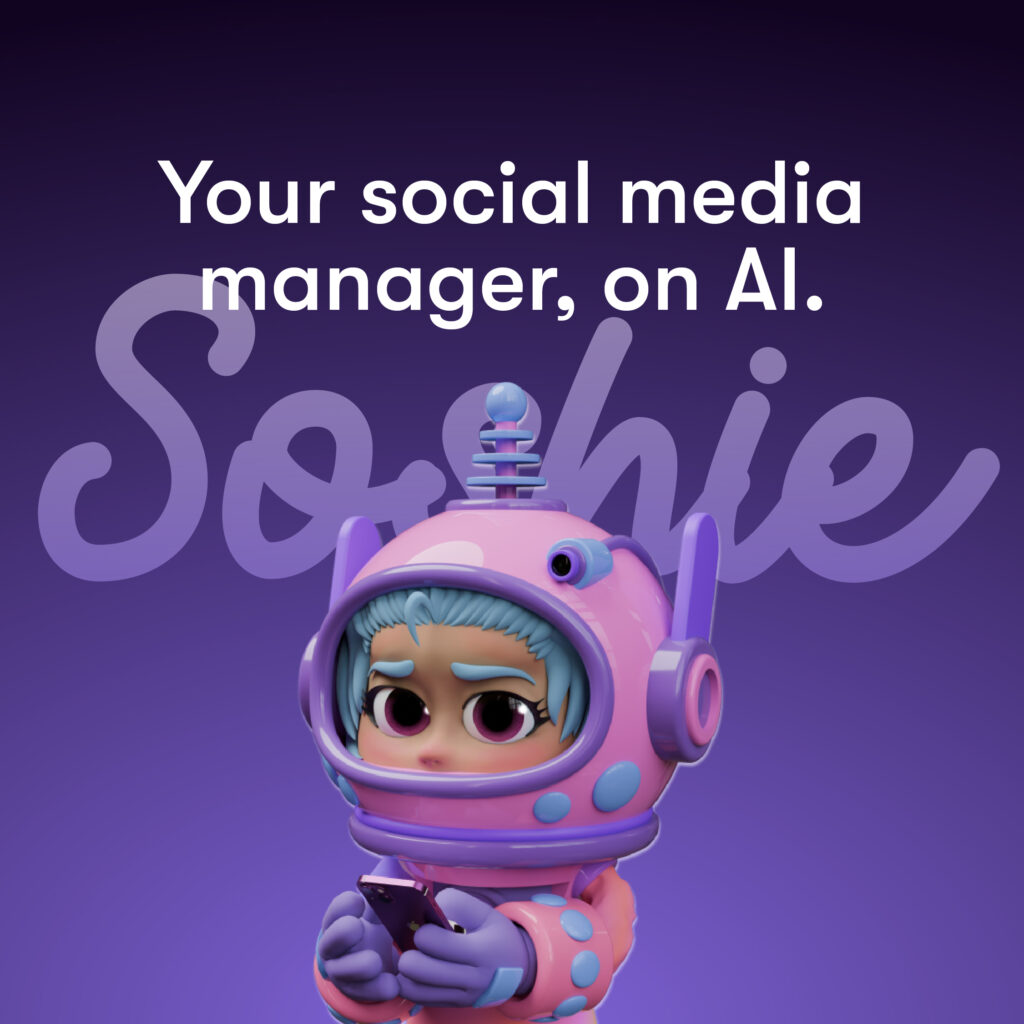
This is where platforms like Sintra are changing the way modern teams operate. Rather than replacing human effort, they support it. They function like digital assistants that handle repetitive processes while you stay in control of the bigger picture.
Turning Processes Into Systems
The key to reducing manual work is identifying patterns. Every business has them. Customer onboarding follows a sequence. Content planning has a rhythm. Marketing campaigns move through predictable stages. Once you recognize these patterns, you can design systems around them.
When processes are clearly structured, technology can step in to streamline them. AI-powered platforms such as Sintra help transform scattered workflows into organized systems that think ahead, anticipate needs, and reduce friction between tasks.
Instead of jumping between multiple tools and documents, everything becomes more centralized. Tasks feel lighter because they are supported by intelligent automation. The result isn’t just speed. It’s clarity.
Productivity Comes From Focus, Not Pressure
Many people believe increasing output means pushing harder. In reality, sustainable productivity comes from protecting your focus. Every time you switch between minor tasks, your mental energy drops. Manual work creates constant interruptions that chip away at deep thinking.
When routine activities are handled by structured workflows or AI support systems, your attention stays where it matters most. Strategy sessions become sharper. Creative ideas flow more naturally. Decision-making becomes faster because information is already organized and accessible.
Tools like Sintra are built around this principle. They help reduce context switching by organizing operations in a way that supports flow rather than chaos. Instead of reacting to every small task, you operate with intention.
Scaling Without Expanding Overhead
One of the biggest advantages of reducing manual work is scalability. When your processes depend entirely on personal effort, growth becomes stressful. More clients mean more pressure. More orders mean more emails. More visibility means more coordination.
But when systems handle repetitive work, growth feels smoother. You don’t immediately need to hire additional staff just to keep up with daily operations. Intelligent automation acts like a digital support team, helping you manage increased demand without burning out.
This is why many entrepreneurs are exploring solutions like Sintra. It allows businesses to operate lean while still performing at a high level. The focus shifts from survival mode to strategic growth.
The Real Goal: More Impact With Less Friction
Reducing manual work isn’t about eliminating effort. It’s about eliminating unnecessary friction. When tasks are simplified and structured, your energy goes toward activities that truly move the business forward.
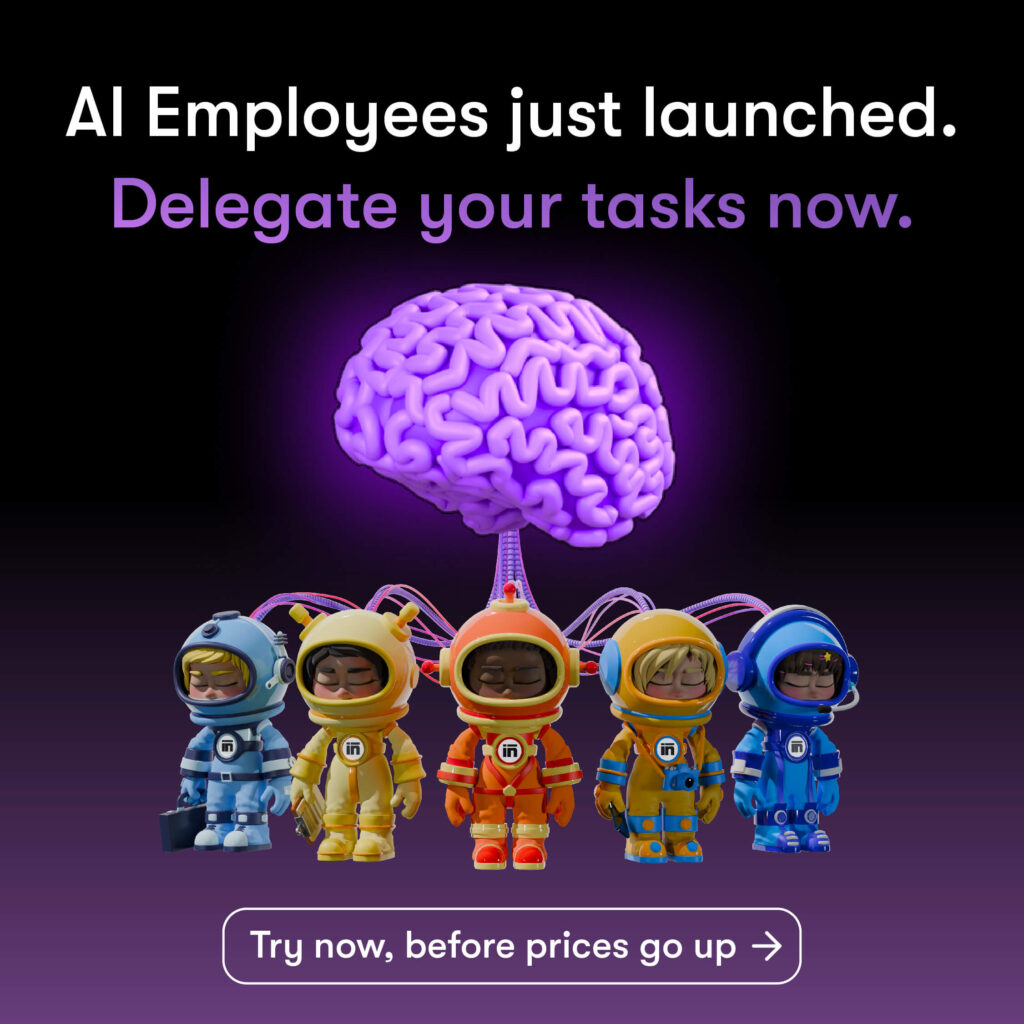
Imagine finishing your day knowing you worked on growth, innovation, and meaningful conversations instead of repetitive admin. Imagine having systems that quietly support you in the background while you focus on leadership and creativity.
That’s what increasing output actually looks like. It’s not about squeezing more hours into the day. It’s about designing smarter ways to use the hours you already have.
When you combine clear processes with intelligent support tools, work becomes lighter, decisions become clearer, and growth becomes more sustainable. And in a world where time is the most limited resource, that shift can make all the difference.