

Running an online business looks glamorous from the outside. Flexible hours. Remote work. Automated sales. But behind the scenes, it’s emails that never stop, content calendars that need filling, customer questions waiting for replies, performance numbers to track, and dozens of tiny tasks that slowly eat into your day. The reality is less about freedom and more about juggling. That’s exactly where AI has stepped in — not with loud promises or flashy headlines, but with steady, practical support that works quietly in the background.
The transformation hasn’t been dramatic. It hasn’t replaced founders or rewritten the rules overnight. Instead, it has become a silent advantage — something smart entrepreneurs are using to make their work lighter, clearer, and more focused.
The Shift From Manual Hustle to Smart Systems
There was a time when building an online business meant doing almost everything yourself. Writing newsletters late at night. Planning social media posts on weekends. Replying to every inquiry personally. Switching between tools and spreadsheets just to stay organized. It felt like constant motion, but not always meaningful progress.
Today, that approach is evolving. AI-powered systems are helping business owners move from endless hustle to structured workflows. Instead of reacting to tasks all day, they are designing processes that run smoothly with minimal friction. Rather than brainstorming from scratch, they begin with intelligent drafts and refine them with their own voice. Instead of scattered planning, everything feels connected.
Platforms like Sintra are built around this idea of structured digital assistance. The goal isn’t to take control away from founders. It’s to reduce the mental noise so they can focus on decisions that truly move the business forward. Effort is still required, but now it’s more intentional and less exhausting.
Productivity Without Expanding the Team
Hiring a team is a big step. It comes with salaries, onboarding, management, and long-term commitments. For many small business owners, that jump feels overwhelming. They need support, but they’re not ready to build a large team.
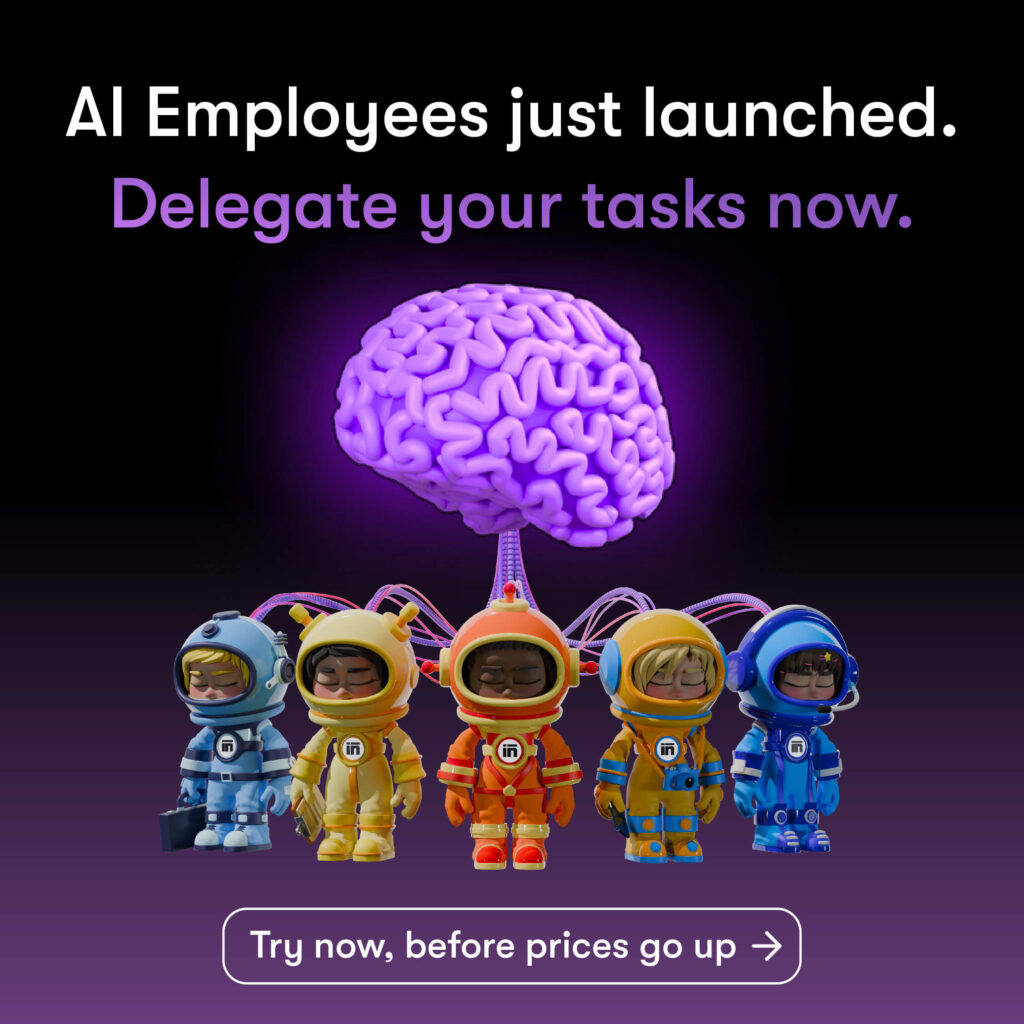
This is where AI has become a practical bridge. Instead of immediately adding payroll expenses, entrepreneurs can use intelligent tools to support marketing, operations, planning, and content. Digital assistants don’t replace human creativity; they remove repetitive tasks that drain energy. When routine work flows more smoothly, founders have space to think strategically.
Many online businesses are turning to systems like Sintra to organize multiple parts of their workflow under one structured setup. It’s not about replacing people. It’s about reducing unnecessary complexity. With clearer systems in place, growth feels less chaotic and more sustainable.
Smarter Content Creation
Content remains the backbone of most online businesses. Blog posts, emails, landing pages, social updates — consistency builds trust. But creativity doesn’t always appear on command. Staring at a blank page can feel surprisingly heavy.
AI has changed that starting point. Instead of beginning from zero, entrepreneurs can work from structured drafts and organized outlines. They refine, personalize, and adjust tone — but the hardest part, the blank page, is no longer a barrier. This shift alone saves hours every week.
With tools like Sintra supporting content organization across channels, maintaining consistency becomes realistic instead of overwhelming. A steady publishing rhythm strengthens brand presence, and over time, that consistency compounds into authority. The business doesn’t just post more — it communicates more clearly.
Making Sense of Data Without the Stress
Analytics are essential, but they can also be intimidating. Dashboards filled with numbers don’t automatically translate into clarity. Many founders know data matters, yet they avoid diving deep because it feels time-consuming and confusing.
AI simplifies interpretation. Instead of digging through reports for hours, business owners can see summarized insights and highlighted patterns. It doesn’t remove control; it removes friction. When performance data is easier to understand, decision-making becomes faster and more confident.
Structured platforms like Sintra help bring scattered information into one organized view. That clarity reduces hesitation. And when hesitation decreases, momentum increases. Small confident decisions, made consistently, often matter more than occasional big moves.
Automation That Still Feels Personal
One of the biggest fears around AI is losing authenticity. No founder wants their brand to sound robotic. Interestingly, many are finding the opposite to be true. When used thoughtfully, AI actually strengthens personalization.
Emails can be more tailored. Responses can be faster and still relevant. Campaigns can align better with audience behavior. The key is guidance. Entrepreneurs define their tone, values, and voice. AI supports structure and efficiency.
Sintra, for example, allows customization within its workflow systems, which helps maintain brand personality while improving productivity. It’s not about handing over identity. It’s about protecting energy so creativity can thrive where it matters most.
Less Overwhelm, More Focus
Perhaps the most powerful transformation isn’t technical — it’s mental. Running an online business often feels like carrying a never-ending to-do list in your head. There’s always something unfinished. Always something to improve.
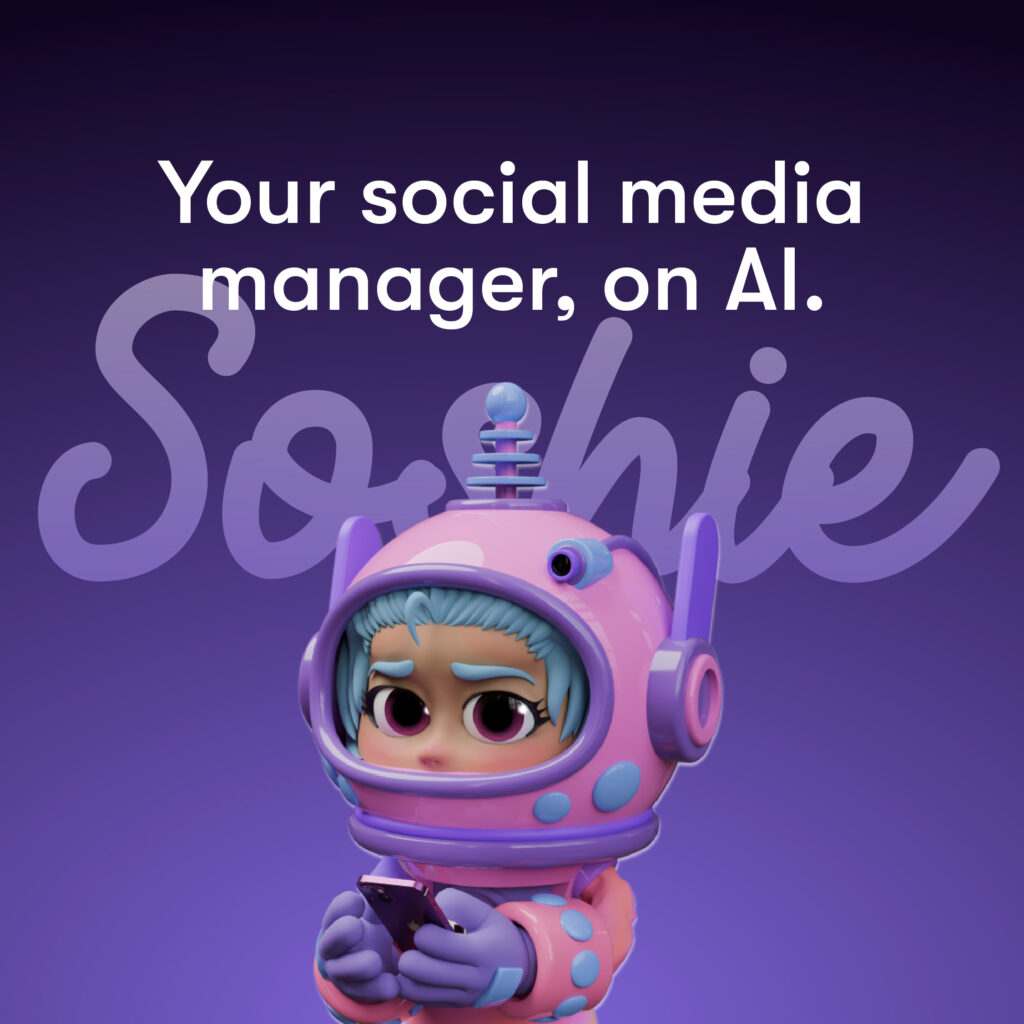
When AI handles drafting, organizing, and structuring, decision fatigue decreases. Founders shift from reacting to planning. Instead of constantly putting out fires, they start thinking long term. That mental clarity changes how a business grows. It creates space for strategy, partnerships, and innovation.
The Quiet Advantage
The impact of AI doesn’t always look dramatic. There are no fireworks or overnight success stories. Instead, there are small daily improvements. Tasks completed faster. Ideas generated more smoothly. Insights understood more clearly. Workflows that feel less chaotic.
Over time, those improvements compound. Businesses that integrate structured systems are not necessarily working longer hours — they’re working smarter. They’re building operations that support growth instead of constantly chasing it.
AI is not replacing entrepreneurs. It’s supporting them in subtle, steady ways. And for those willing to embrace it thoughtfully, that quiet transformation may become one of the strongest competitive advantages in the digital world.