

Modern work looks very different from what it used to be. Teams are more capable, more creative, and more interconnected than ever—but they are also more overwhelmed. Not because the work is too complex, but because the small, repetitive tasks that fill the day slowly drain attention, energy, and momentum.
Across industries, teams are embracing a simple truth: the work that slows them down isn’t the meaningful work—it’s the maintenance. And that’s why so many companies are now turning to AI tools like Sintra, allowing technology to handle the repetitive pieces so humans can stay focused on what actually matters.
The Weight of Invisible Work
Repetition is quiet, but it is heavy. It sneaks into the day disguised as “quick tasks”—updating a tracker, rewriting the same email, moving the same data, sending the same reminders. None of these tasks seem demanding on their own, yet together they create an invisible workload that fragments focus and pushes real work to the edges.
It’s no surprise that teams often feel drained before the meaningful tasks even begin. When half the workday is spent maintaining systems rather than moving projects forward, productivity feels forced instead of natural. AI changes that rhythm. It absorbs the tasks that steal time, leaving people with a clearer mind and a cleaner path through their workday.
AI Isn’t Replacing People—It’s Supporting Them
There’s long been a misconception that AI exists to take over jobs. In practice, modern teams have discovered the opposite. AI is not replacing them—it’s protecting them. By taking over the repetitive, predictable tasks, AI allows teams to stay anchored in work that requires judgment, creativity, and human clarity.
Tools like Sintra step in quietly, operating behind the scenes to keep processes running smoothly. People don’t lose control—they simply stop losing time. Instead of spending half the morning untangling schedules or ensuring steps haven’t been missed, they begin the day already aligned, already prepared, already moving.

This shift doesn’t remove the human element from work; it strengthens it. It allows people to bring their best thinking to the tasks that deserve it.
Why Repetition Lowers Quality
When someone repeats the same task dozens of times a week, attention dulls. Details blur. Mistakes appear. Creativity stalls. Even the most talented professional feels the strain of monotony.
But when automation replaces repetition, quality naturally rises. People finally have the mental space to think deeply instead of react quickly. They deliver work that feels intentional instead of rushed. They innovate instead of improvise. The simple removal of repetitive tasks creates room for excellence—and teams feel the difference immediately.
This improved quality is one of the reasons companies adopt platforms like Sintra. Automation isn’t glamorous, but its impact is profound: it strengthens outcomes by preserving human attention.
The Emotional Benefit Teams Don’t Expect
Something unexpected happens when repetitive work disappears: morale lifts. Motivation returns. Collaboration becomes easier. People feel more confident, more capable, and more connected to what they’re creating.
When the workday becomes smoother, people begin contributing ideas they never had time to think of before. Meetings stop feeling like obstacles. Workflows stop feeling like friction. A kind of lightness re-enters the team—the sense that work can flow instead of fight back.
It’s not about speed; it’s about experience. And automation tools like Sintra quietly restore that experience by giving people space to breathe inside their workday.
Why Modern Teams Can’t Ignore Automation Anymore
Work today moves faster than ever, but people still have only one brain, two hands, and eight hours in a day. Teams that rely solely on manual processes simply can’t keep up—not because they aren’t capable, but because the demands have outgrown the old systems.
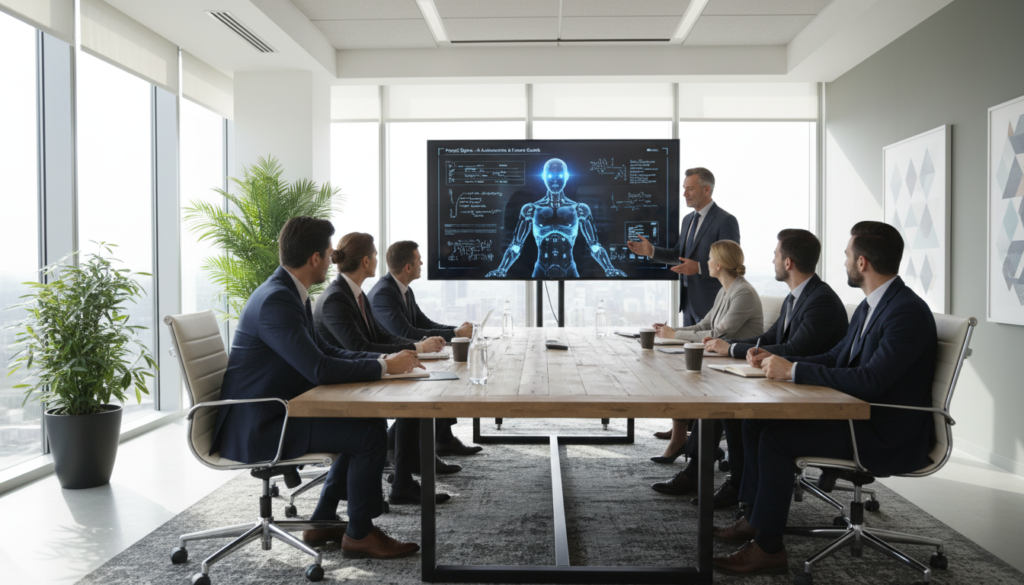
This is why automation is no longer a luxury. It’s a foundation. The teams who adopt it early gain a rhythm that feels almost effortless. They respond faster, adjust faster, and deliver faster—not because they rush, but because they’re no longer overloaded by the small, repetitive tasks slowing everyone else down.
Platforms like Sintra create a work environment where tasks progress automatically, handovers are seamless, timelines stay stable, and processes finally feel predictable.
A Future Where People Do the Work Only People Can Do
The shift to AI isn’t about efficiency for efficiency’s sake. It’s about reclaiming the purpose of work. It’s about ensuring people spend their time solving problems, building ideas, and contributing value—not repeating tasks that machines can complete more cleanly and consistently.
Modern teams are not letting AI take over. They’re letting it lift the weight. And as that weight disappears, something powerful reappears: clarity, focus, and a sense of control over the workday.With tools like Sintra removing the repetitive strain, humans can finally return to doing the work that feels human.