

For decades, small businesses have faced the same uphill battle: competing against larger companies with more money, bigger teams, and greater resources. While smaller enterprises often bring creativity, passion, and agility to the table, they have historically struggled to keep pace with the scale and efficiency of their larger competitors. That balance, however, is beginning to shift. Artificial intelligence is providing smaller businesses with the kind of capabilities that were once available only to corporations with deep pockets. Today, AI is not just a tool for efficiency—it is a force that is rewriting the rules of competition.
The Unequal Playing Field
Traditionally, larger companies have dominated because they could afford bigger marketing campaigns, hire more specialists, and invest in advanced technology. Small businesses, by contrast, had to stretch their resources thin, often with one person wearing multiple hats. From managing customer service to creating marketing content, the workload was overwhelming and left little room for innovation.
This imbalance created a cycle where small businesses were forced to work harder for less visibility and fewer opportunities. Many had great products or services but lacked the resources to scale effectively. The rise of AI is disrupting this pattern by giving smaller players access to professional-grade tools without the professional-grade cost.
AI as the Great Equalizer
Artificial intelligence has transformed from a futuristic concept into a practical everyday advantage. Tasks that once required entire teams—such as data analysis, content creation, and customer support—can now be handled by intelligent systems. For small businesses, this means they can operate with the sophistication of larger organizations while still maintaining the flexibility that makes them unique.
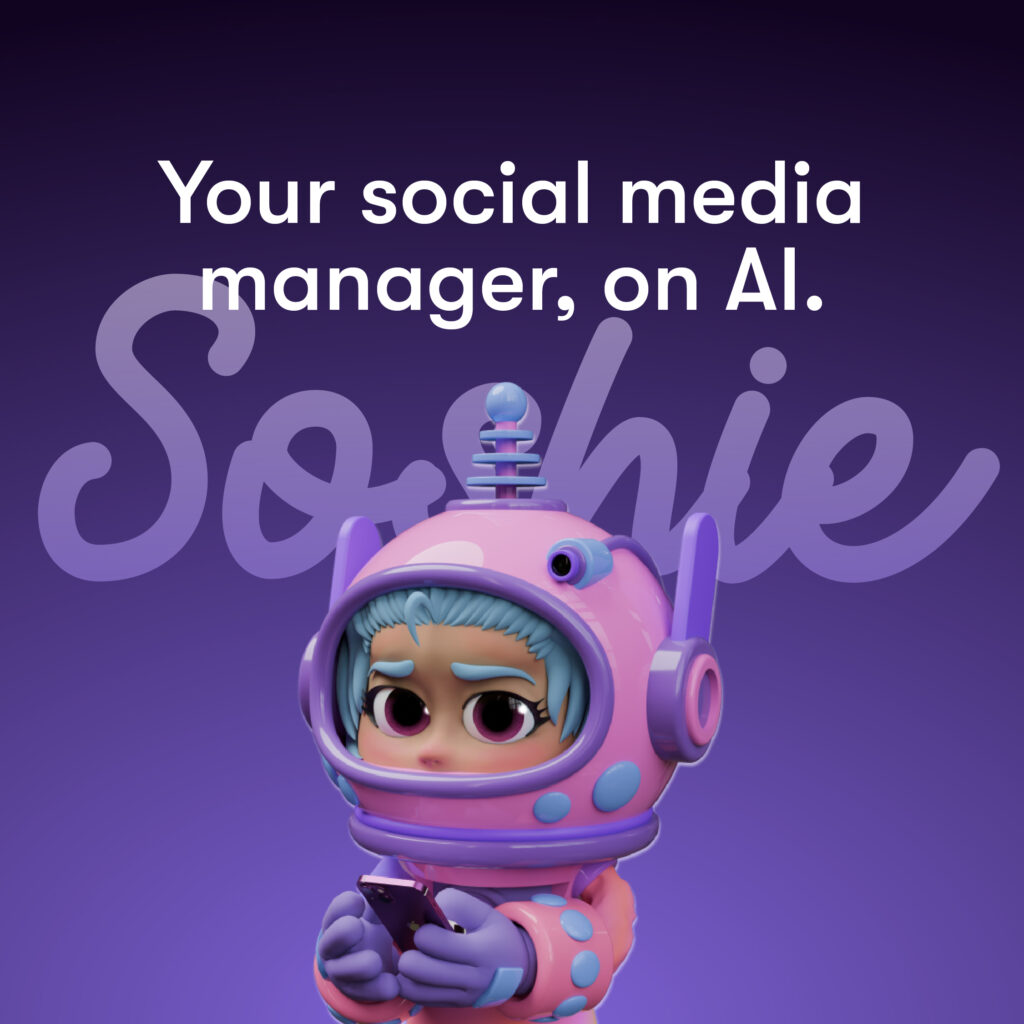
Platforms like Sintra are leading this change by providing specialized AI helpers that act as an extension of the business. Instead of needing a marketing department, a customer support team, and an analyst on staff, business owners can rely on AI teammates that manage these functions simultaneously. This not only saves costs but also ensures that operations remain consistent, reliable, and scalable.
Competing on Quality, Not Just Scale
With AI filling gaps in operations, small businesses can redirect their energy toward what they do best: building strong customer relationships and delivering high-quality products or services. Instead of being buried in repetitive administrative work, business owners can focus on innovation, storytelling, and personalized experiences.
This ability to focus on quality over quantity levels the playing field in powerful ways. A local business, for example, can now run sophisticated marketing campaigns that rival those of international brands. With support from AI assistants like those within Sintra, even a small team can analyze customer data, adjust strategies on the fly, and maintain a polished online presence without stretching themselves thin.
Agility as an Advantage
Smaller businesses have always been more agile than larger corporations. They can pivot faster, experiment more freely, and adapt quickly to market changes. With AI in their corner, this agility becomes an even greater advantage. Imagine being able to launch a new campaign in a single day, respond instantly to customer questions, or test product ideas without weeks of planning.

By combining natural agility with intelligent tools, small businesses can outmaneuver bigger competitors who are often weighed down by layers of bureaucracy. Solutions like Sintra make this possible by giving entrepreneurs access to AI helpers that work around the clock, learn from context, and continually adapt to the brand’s style and goals.
A Future Where Size Doesn’t Dictate Success
The most exciting outcome of this transformation is the promise of a business world where size no longer dictates success. With AI lowering barriers to entry, the creativity and vision of small businesses can shine through on a global stage. Instead of being limited by budget or staff size, entrepreneurs can focus on their ideas, their communities, and the impact they want to create.
The future belongs to businesses that are willing to embrace intelligent systems and use them as partners rather than replacements. As more entrepreneurs adopt AI platforms like Sintra, we will see a shift where innovation, authenticity, and customer connection matter more than raw financial power.
Closing Thoughts
For too long, small businesses have played catch-up with larger competitors. But AI has changed the rules. It has transformed what it means to compete, shifting the focus from resources to resourcefulness. By embracing intelligent assistants, small businesses are not only leveling the playing field—they are creating new opportunities to thrive in ways that were once unimaginable.
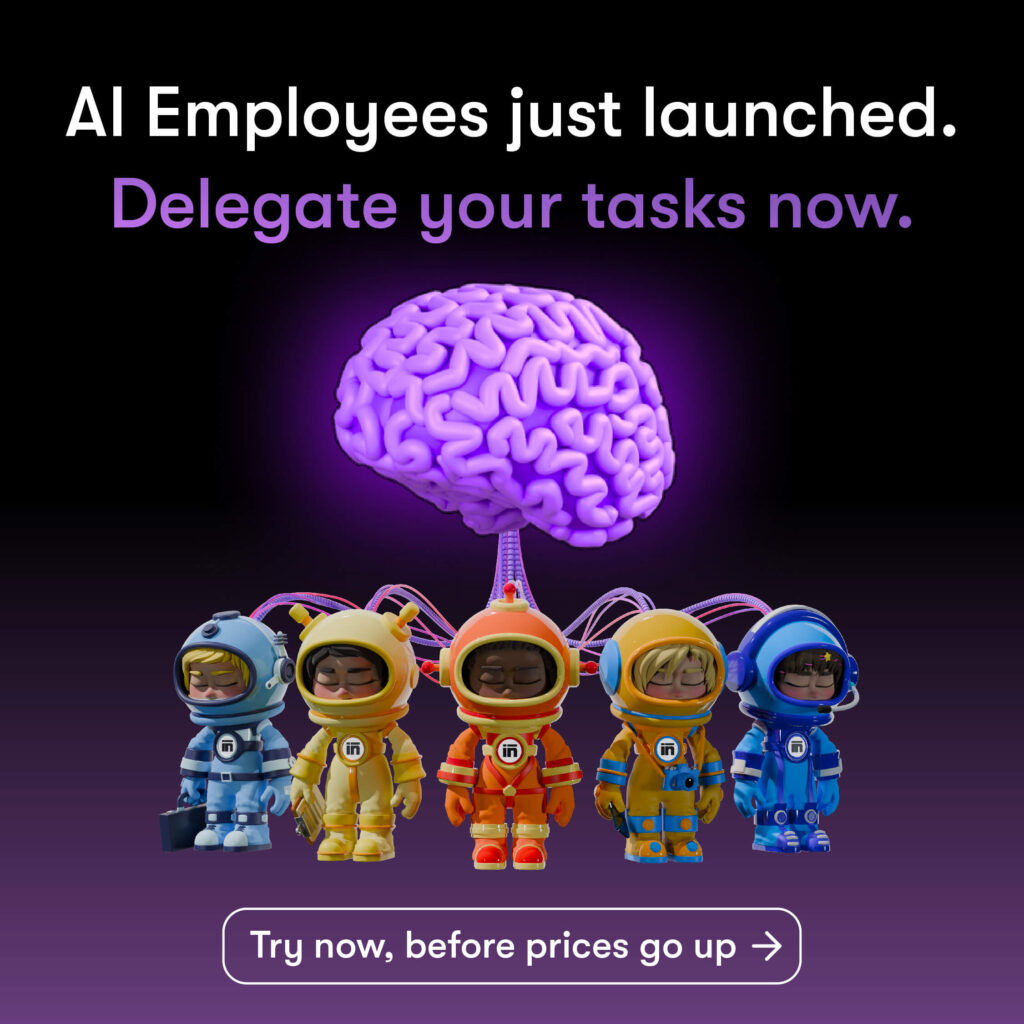
With platforms like Sintra, the promise of AI is no longer confined to industry giants. It belongs to every entrepreneur with the courage to adopt new tools and the vision to reimagine what their business can achieve. The future is here, and it is one where small businesses can finally stand shoulder to shoulder with the biggest players in the market.